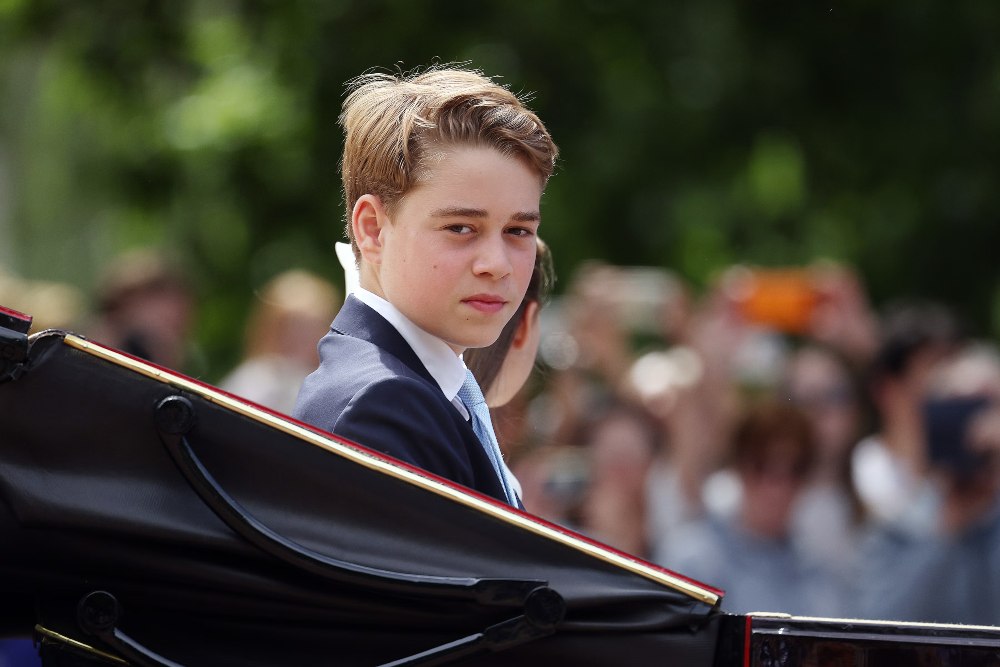
Prince George will go to Eton College this September, Kensington Palace has confirmed.
The future King, 13, will follow in the footsteps of his father, Prince William, and his uncle, Prince Harry, who both completed their schooling at the prestigious all-boys school in Berkshire, just a short drive from the Prince and Princess of Wales’s family home of Forest Lodge on the Windsor estate.
Prince George and his siblings, Princess Charlotte and Prince Louis, currently attend Lambrook School, which educates pupils until the age of 13. As Prince George will turn 13 this summer, there has been widespread speculation over whether the future King might next enrol.
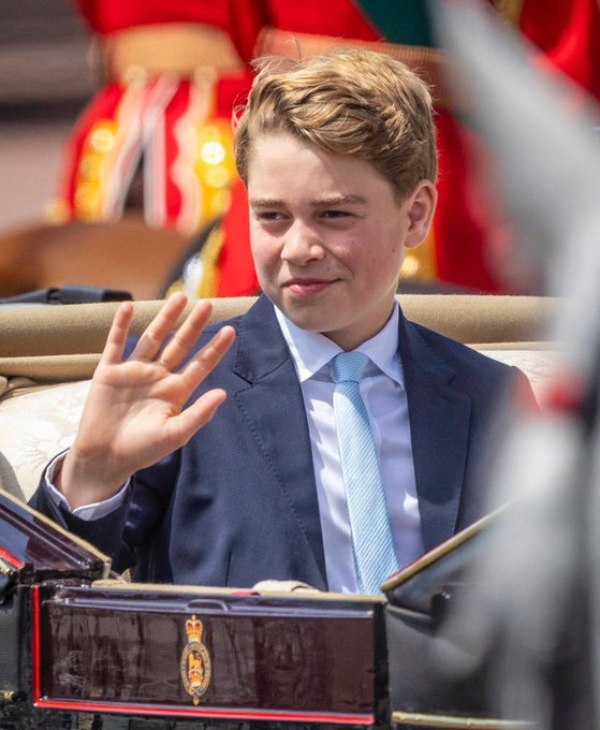
There had been several reports suggesting the Princess of Wales was considering her former school of Marlborough. A co-ed school where Catherine thrived, a place at Marlborough would have meant all three Wales children could continue to be educated together. More recently, there were rumours that Oundle School, in Northamptonshire, was being considered, although there were questions raised over the distance from Windsor.
However today’s announcement confirms that Prince George will stay closer to home and join an esteemed list of Etonians: think 20 Prime Ministers, Tom Hiddleston, George Orwell and – importantly – Prince William.
READ: Princess Charlotte’s Trooping the Colour Accessory Has Everyone Talking About Princess Diana
Prince Charles and Princess Diana broke from royal tradition when they chose to send Prince William to Eton. Charles, Prince Philip, Duke of Edinburgh, Andrew Mountbatten-Windsor and Prince Edward had all gone to Gordonstoun, in the Scottish Highlands. But King Charles III found the Scottish school to be such a trial that he wanted a different educational path for his son. William thrived at the Berkshire boarding school, joining the elite club of prefects, captaining the swimming team and playing rugby with Eddie Redmayne.
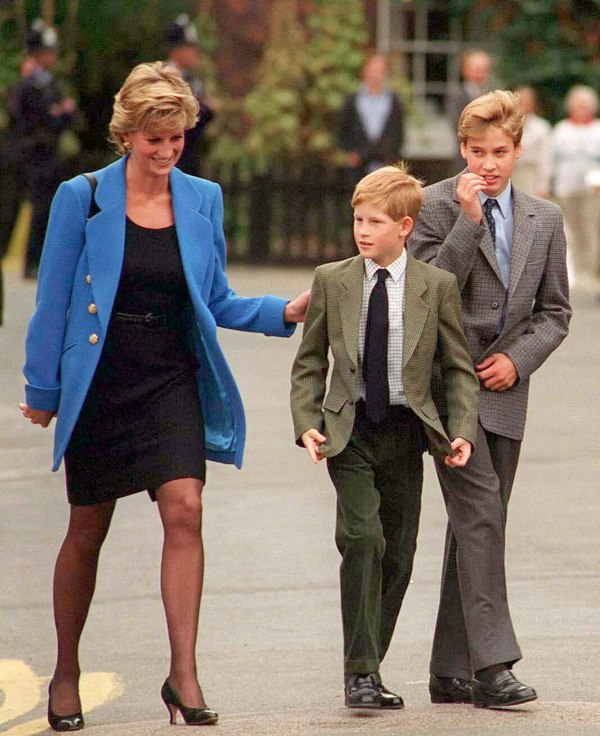
Prince Harry, on the other hand, had a slightly tougher time when he joined his brother. The school was, Harry wrote in his memoir Spare, ‘heaven for brilliant boys,’ and could ‘thus only be purgatory for one very unbrilliant boy.’ Graduating in 2003 with a D in Geography and a B in Art to his name, the Prince chose not to go to university and signed up as an officer cadet at the Royal Military Academy in Sandhurst.
Reportedly, the Prince and Princess of Wales made a hush-hush prospective visit to the £63,000-per-year school ahead of the Easter Holidays in 2025. ‘It’s the talk of the school, and of the parents,’ a source told Richard Eden at the time. Little wonder: is there any faster way to climb the social power index than getting your youngster invited to birthday parties with the future king at Kensington Palace?
Given his happy memories of his own school days, it is completely understandable that Prince William would want his eldest son to enjoy the same experience – and now, we won’t have long for Prince George to don that famous uniform of pinstripe trousers and black tailcoat.
Eton College: the Tatler Schools Guide 2026 verdict
Editor: Tori Cadogan
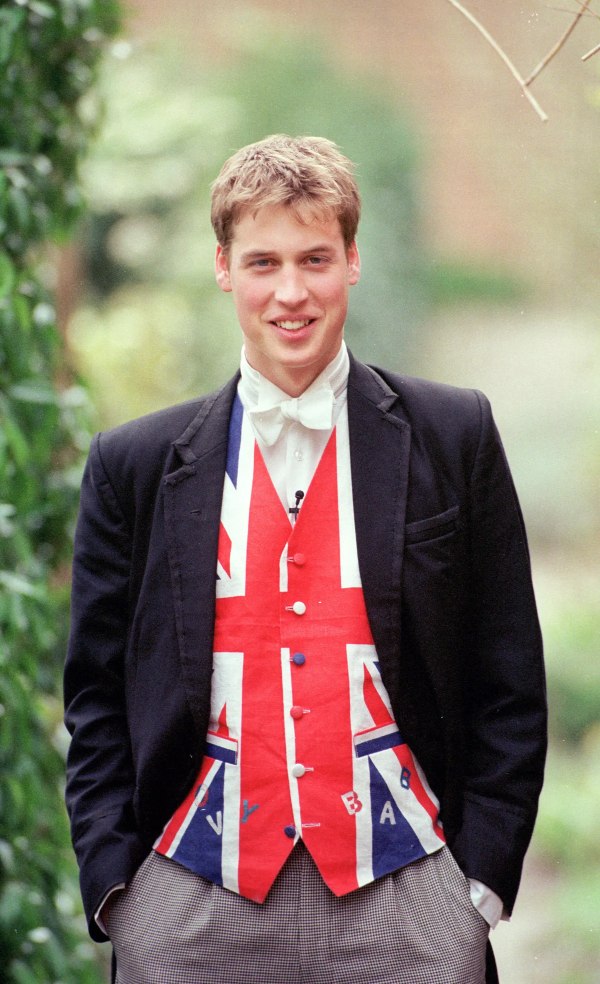
Eton receives about five applications per place, and admissions come with a range of prestigious scholarships: 14 King’s Scholars are chosen in the summer of Year 8; and 12 Orwell Awards go to candidates for whom an education here would be transformational. Well, Henry VI did found the school in 1440 with the aim of providing free learning to boys with the same aim in mind; and it works hard to broaden its reach. Last year, the Eton Connect programme coordinated visits to its museums and collections by more than 5,000 state pupils. The motto here is Floreat Etona, and indeed, one of the school’s strengths lies in the sheer diversity of opportunities offered to help its boys bloom. From football, rugby and cricket to Eton’s very own Wall and Field Games, there are always sports to play; and with a major revamp underway, the facilities will soon include a new swimming pool and glass-backed squash courts, as well as renovated courts for fives and rackets. Then there’s the dynamic societies programme, which regularly includes talks by distinguished speakers (prime ministers, Nobel laureates, CEOs – you name it). As you would expect, drama and music here are really impressive; recently, talented students won the BBC Young Musician of the Year and the BBC Young Composer competitions. As head Simon Henderson tells Tatler, ‘Boys here spend at least 50 per cent of their free time, if not more, doing things that are not academic, which is absolutely deliberate and by design,’ because this mature approach engenders ‘self discovery, self-discipline, communication, teamwork, collaboration and, most importantly, fun.’
 English